
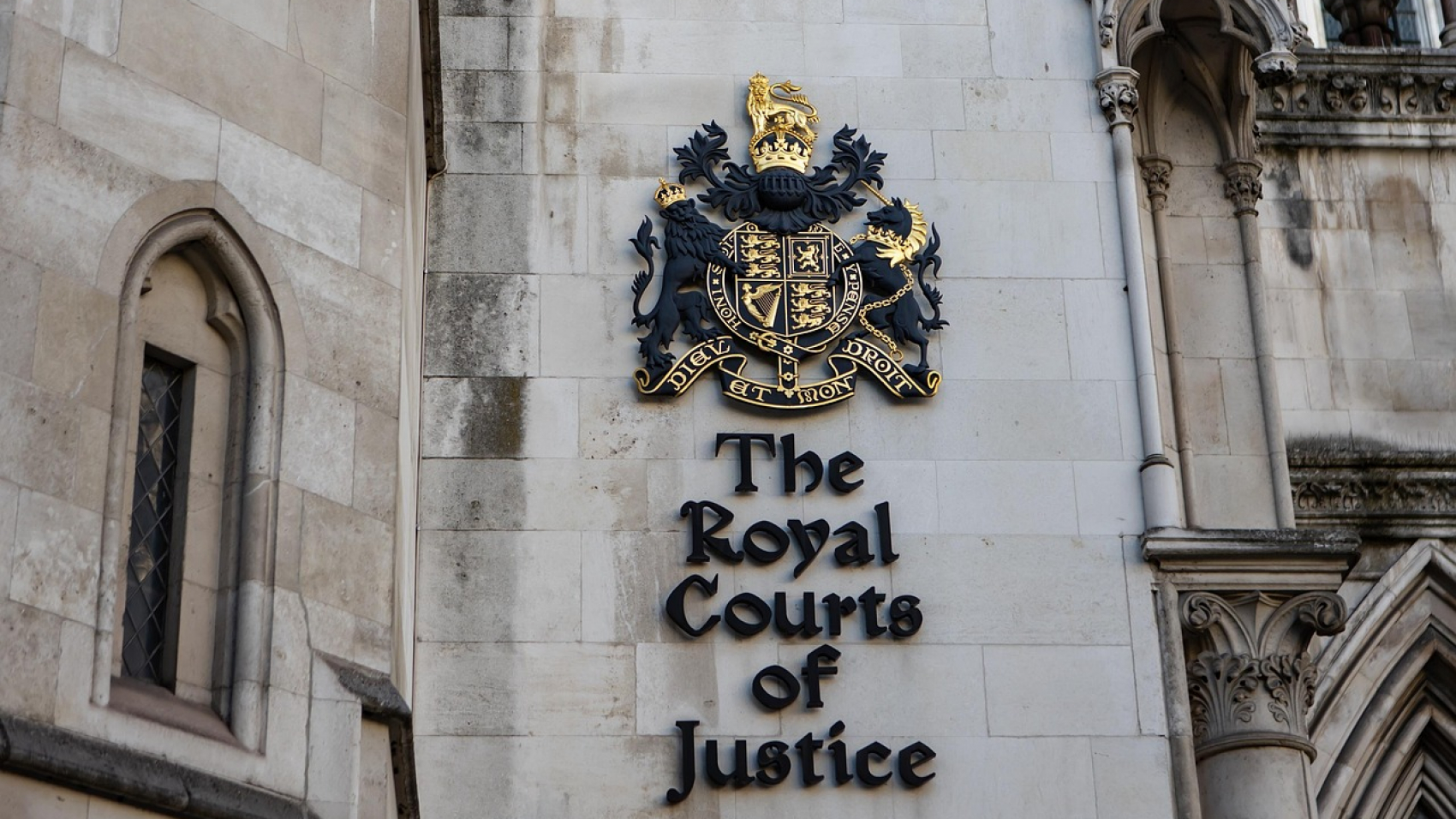
Understanding the Law

5 Reasons Understanding the Law of the Land Protects & Empowers You!

In a society governed by rules, regulations, and rights, understanding the law of the land is not merely a civic duty—it is a fundamental necessity for navigating life with confidence, security, and fairness. Whether you are an individual, a business owner, a tenant, or a professional, the law touches every facet of our lives. Yet, legal systems can be complex, intimidating, and inaccessible without the correct guidance.

This blog explores why legal awareness is crucial and how Aman Solicitors Birmingham stands as your trusted partner in demystifying the law and providing expert representation across multiple legal disciplines.

5 Reasons Why Understanding the Law Matters!


1. Protection of Your Rights

The law is designed to protect individuals and communities from injustice, discrimination, and exploitation. Whether it’s employment rights, housing security, or family entitlements, knowing your legal position empowers you to stand against unfair treatment.

2. Prevention of Legal Pitfalls

Many legal disputes arise from simple misunderstandings or a lack of awareness. By understanding basic legal principles—such as contract terms, tenant rights, or immigration rules—you can avoid costly mistakes and pre-empt potential conflicts.

3. Informed Decision-Making

From purchasing a property to starting a business, significant life decisions often have legal implications. Legal literacy enables you to make choices that are not only practical but also legally sound.

4. Access to Justice

Understanding your legal options is the first step towards seeking redress. Whether you’ve been unfairly dismissed, injured in an accident, or are facing a family dispute, knowing where to turn can transform a stressful situation into a resolvable one.

5. Civic Responsibility

A society where citizens understand the law is more just, transparent, and accountable. Legal awareness fosters respect for the rule of law and encourages active participation in democratic processes.

Despite its importance, the law is rarely straightforward. That is where our professional legal support becomes invaluable.

________________________________________________________________________________________________
 

Introducing Aman Solicitors Birmingham

Aman Solicitors is a well-established, multi-practice law firm based in Birmingham, with a strong reputation for providing clear, compassionate, and results-driven legal services. Our website, www.amansolicitors.co.uk, showcases a comprehensive range of specialisms tailored to meet the diverse needs of individuals, families, and businesses.

What sets us apart is our client-centred approach—we do not just offer legal advice; we provide tailored solutions that align with our clients’ personal and practical circumstances.


The Aman Solicitors Advantage: Why Choose Us?

25297 Multi-Specialist Expertise: Having diverse legal services under one roof means we can provide holistic advice—especially useful for cases that intersect different areas of law (e.g., an immigration matter with family law implications).

25297 Client-First Philosophy: Our website and client testimonials reflect a firm committed to accessibility, clear communication, and genuine care.

25297 Birmingham-Based, Nationally Knowledgeable: While rooted in the local community, our understanding of UK law is comprehensive, serving clients across the country.

25297 Transparent Approach: We strive to demystify the legal process, offering clear explanations and upfront information about costs.

________________________________________________________________________________________________


Conclusion: Knowledge + Expertise = Empowerment

Understanding the law of the land is the foundation of empowerment, but applying it effectively often requires expert guidance. Aman Solicitors Birmingham bridges that gap. By offering specialist, compassionate, and practical legal support across critical areas of life and business, we do not just represent clients—we empower them.

Whether you are safeguarding your employment future, protecting your family, navigating immigration rules, or securing your assets, having our skilled legal team on your side transforms the law from a daunting code into a tool for justice, security, and peace of mind.

Aman Solicitors

If you face a legal challenge or simply wish to plan proactively, consider reaching out to us for a consultation.


We can delve deeper into the specific financial evidence required for your circumstances (e.g., self-employment, savings, or employment income).

To explore how we can assist with your specific situation, you can book a free consultation with our solicitors. 

  • Phone: 0121 328 4455
  • Address: 37 Alum Rock Rd, Saltley, Birmingham B8 1LR, United Kingdom. Click here to find us on Google Maps. 
  • Website: More information on all of our services can be found on the Aman Solicitors Birmingham official website. 


Disclaimer: This blog is for informational purposes only and does not constitute legal advice. For legal matters specific to your situation, please consult our qualified solicitors directly.


2026 New Year, Inspiring Message

2026 New Year, Brighter New Beginnings: An Inspiring Message from Aman Solicitors

Looking Forward with Hope and Resilience

As the clock strikes midnight and we welcome 2026, the new year. We look forward to see our clients, colleagues, and the Birmingham community in the new year. This time of reflection offers us all an opportunity to acknowledge the challenges overcome and look forward with renewed hope to the possibilities ahead.

For many, the new year represents a fresh start—a chance to make positive changes in personal and professional lives. At our Birmingham-based practice, we understand that new beginnings often come with legal considerations, and we’re here to provide the guidance and support needed during times of transition.


Services Offered By Aman Solicitors Brimingham Since 2002


image 1

1. Family Law and Divorce: A Fresh Start with Compassion

The new year is a popular time for people to reassess their relationships and personal circumstances. If you’re contemplating divorce or separation, our compassionate family law team can help you navigate this difficult transition with dignity. We specialise in achieving fair settlements while prioritising the wellbeing of all family members, especially children.

Resolution Tip: January is an excellent time to organise your financial documents if you’re considering separation. Our solicitors can help you understand your rights and options confidentially.

.

pexels mikhail nilov 87310362. Immigration: New Year, New Opportunities

With changing immigration policies and the evolving political landscape, 2026 brings both challenges and opportunities for those seeking to live, work, or study in the UK. Our immigration specialists stay abreast of the latest regulations to provide accurate, timely advice for visa applications, appeals, and citizenship matters.

Planning Ahead: If your visa expires in the coming months, don’t wait until the last minute. Contact us now to begin renewal applications well in advance.


image 73. Property Law: Your Foundation for the Future


Whether you’re buying your first home, investing in property, facing boundary disputes, or lease renewals, the new year often brings property-related resolutions.

Our team ensures smooth, efficient property transactions, while our dispute resolution specialists handle more complex property disagreements.


image 4

4. Civil and Commercial Disputes: Building Stronger Foundations

For businesses, the new year is an ideal time to review contracts, partnerships, and dispute resolution strategies. Our commercial team helps businesses of all sizes establish strong legal foundations to thrive in 2026.


image 35. Wills and Estate Planning: A Thoughtful New Year’s Resolution

Creating or updating your will is one of the most considerate resolutions you can make. Ensure your assets are protected and your wishes are honoured with our expert will drafting and probate services.

Essential Action: If you experienced significant life changes in 2025 (marriage, divorce, births, or property purchases), your will likely needs updating.


image 5 6. Landlord and Tenant Disputes: Starting the Year Right

The rental market continues to present challenges for both landlords and tenants. Whether you’re facing eviction proceedings, deposit disputes, or contract disagreements, our specialists work to resolve tenancy issues efficiently and fairly.


image 27. Personal Injury: Seeking Resolution in the New Year

If you suffered an injury in 2025 that wasn’t your fault, the new year is an excellent time to seek the compensation you deserve. Our personal injury team handles claims with sensitivity and determination, helping you move forward with the resources needed for recovery.


image 68. Employment Law: For Employer and Employee Seeking Guidance

In today’s complex workplace environment, employers face significant legal responsibilities to ensure fair treatment and protect their workforce from harm. Employment law encompasses critical areas including harassmentunfair dismissal,and discrimination, safeguarding employees from less favourable treatment on grounds such as age, disability, race, or gender.


Our New Year Commitment to You

In 2026, Aman Solicitors Birmingham reaffirms its commitment to:

25297   Accessible Legal Support: Continuing to offer approachable, understandable legal advice across all our practice areas.

25297   Community Engagement: Strengthening our ties to the Birmingham community through pro bono work and educational outreach.

25297   Client-Centered Service: Maintaining our reputation for personalised attention and diligent representation.

25297   Expertise Development: Ensuring our team remains at the forefront of legal developments in all our specialist areas.


Making Your Legal Resolutions a Reality

The start of a new year often brings resolutions that benefit from professional legal guidance. Whether you’re planning to:

SnapBG.ai 1767112665662   Begin divorce proceedings amicably

SnapBG.ai 1767112665662   Apply for a spouse visa

SnapBG.ai 1767112665662   Purchase your first investment property

SnapBG.ai 1767112665662   Start a business with proper legal protections

SnapBG.ai 1767112665662   Create a comprehensive estate plan

SnapBG.ai 1767112665662   Resolve a lingering dispute

Our team is ready to help turn your intentions into achievements.


Contact Us for a Fresh Start

As we step into 2026, know that Aman Solicitors Birmingham is here to support your new beginnings with expertise, empathy, and excellence.

Schedule a confidential consultation with our specialists to address your legal needs as you embark on this new chapter.

In this challenging and fluid legal environment, expert legal counsel is vital. Aman Solicitors plays a critical role in helping individuals and families navigate these complex legal barriers.

a. Expert Navigation of Complex Rules:

Aman Solicitors’ team includes specialists who are well-versed in the constantly evolving Home Office rules and can provide accurate, up-to-date advice.

b. Ensuring Compliance & Documentation: 

The firm assists clients in gathering and organising the precise documentation required, a key factor in application success. They can identify potential pitfalls and ensure all evidence satisfies Home Office standards, minimising the risk of refusal due to minor errors.

c. Tailored Solutions:

Aman Solicitors offers personalised guidance, assessing individual circumstances to determine the best immigration route, whether a standard spouse visa, an application using savings, or a potential human rights claim based on exceptional circumstances.

d. Appeals and Reviews:

If an application is unfairly refused, the firm provides robust support for administrative reviews, appeals, and even judicial reviews, protecting clients’ rights throughout the process.

e. Accessibility and Support:

The firm prides itself on client care, offering initial consultations and dedicated assistance throughout the entire process, providing peace of mind during a stressful period.


Getting Started

We can delve deeper into the specific financial evidence required for your circumstances (e.g., self-employment, savings, or employment income). Shall we review the documentation needed for your case in detail?


To explore how we can assist with your specific situation, you can book a free consultation with our solicitors. 

  • Phone: 0121 328 4455
  • Address: 37 Alum Rock Rd, Saltley, Birmingham B8 1LR, United Kingdom. Click here to find us on Google Maps. 
  • Website: More information on all of our services can be found on the Aman Solicitors Birmingham official website. 

Small Claims Court

Small Claims Court: A Step-by-Step Guide to Getting Justice

The Small Claims Court, formally called the Small Claims Track, provides an accessible legal avenue for individuals and businesses to resolve disputes involving amounts up to £10,000 (£1,000 for personal injury claims). This system is specifically designed to avoid expensive litigation, offering a simpler alternative for common conflicts such as unpaid invoices, defective products, tenancy disagreements, and minor contract violations. Its user-friendly approach makes justice attainable without the need for professional legal representation in most cases.

Advantages of the Small Claims Route

Choosing the small claims process brings several practical benefits. The affordable fee structure begins at just £25, significantly lower than traditional court costs. Claimants can represent themselves confidently, as the procedures are straightforward and tailored for non-solicitors. Most cases reach resolution within six to nine months – considerably faster than standard court proceedings. This efficiency, combined with the informal nature of hearings, reduces the stress typically associated with legal disputes.

Essential Pre-Filing Steps

Before initiating legal action, claimants must demonstrate genuine attempts to settle the matter privately. This involves drafting a comprehensive Letter Before Action that clearly states the nature of the dispute, the desired resolution, and a reasonable response period (usually 14-28 days). The court expects parties to explore mediation options, such as the free Small Claims Mediation Service, and may impose penalties on those who bypass these preliminary steps.

Building a Strong Case

Successful claims rely on thorough documentation and compelling evidence. Essential materials include signed contracts, itemized invoices, dated photographs of damages, and complete communication records. Financial documents like bank statements help establish monetary claims, while witness statements add credibility. For technical disputes, professional evaluations (such as engineer reports for faulty installations) often prove decisive in demonstrating liability.

Navigating the Claims Process

The modernized Money Claim Online (MCOL) system handles most filings through a streamlined digital platform. Claim fees scale with the disputed amount, ranging from £25 for smaller claims up to £455 for the maximum £10,000 cases. The court provides fee assistance for qualifying low-income individuals. After submission, respondents have fourteen days to settle, contest, or default on the claim, with each option triggering different procedural paths.

Hearing Procedures and Outcomes

While many cases resolve through document review, some progress to in-person hearings. These sessions maintain an informal atmosphere where claimants present their evidence directly to the judge. Preparation is key – organized documentation, clear timelines, and concise arguments significantly improve outcomes. Most decisions come the same day, providing prompt closure to the dispute.

Securing Your Award

Victory in court doesn’t automatically guarantee payment. The system offers multiple enforcement tools when respondents refuse to comply voluntarily. Options include registering County Court Judgments to impact credit ratings, instructing bailiffs to seize assets, arranging wage garnishments, or obtaining third-party debt orders against bank accounts. Each method has distinct advantages depending on the debtor’s circumstances.

When Professional Help Becomes Valuable

Although designed for self-representation, certain situations warrant legal expertise. Complex cases involving nuanced contract law, professional negligence claims, or multi-party disputes often benefit from solicitor involvement. Legal professionals also prove invaluable for enforcing stubborn judgments or navigating the appeals process when initial outcomes seem unjust.

Accessing Expert Support

For those seeking guidance, firms like Aman Solicitors provide complimentary case evaluations and tiered support options. Their specialists assist with evidence preparation, procedural navigation, and courtroom representation, particularly valuable for high-stakes claims or legally intricate matters. This professional backing helps level the playing field against better-resourced opponents.

The Value of Small Claims Justice

This accessible legal framework democratizes dispute resolution, empowering individuals and small businesses to protect their rights without prohibitive costs. By understanding the process, preparing thoroughly, and utilizing available resources, claimants can effectively recover what they’re owed while maintaining proportional investment of time and money. The system’s design reaffirms that justice shouldn’t depend on financial means, but rather on the merits of each case.

How long does a small claim take?

Typically 6-9 months, but simple cases can settle in weeks.

Can I claim legal fees back?

Usually no, but you can claim fixed costs (e.g., court fees, expert reports).

What if the defendant lives abroad?

You can still claim, but enforcement is harder—consult a solicitor.

Can I sue a company that’s closed down?

Only if they’ve not been dissolved—check Companies House first.

Is small claims court binding?

Yes, the judgment is legally enforceable.

Your Rights When Dealing with Faulty Goods or Services

Your Rights When Dealing with Faulty Goods or Services – A Complete Consumer Guide

Every year, UK consumers spend billions on goods and services – but what happens when that new phone stops working after a week or your kitchen fitting turns out to be shoddy work? Fortunately, consumer protection laws exist to safeguard your rights.

This comprehensive guide explains:
Your legal rights under the Consumer Rights Act 2015
How to complain effectively about faulty items
When you’re entitled to refunds, repairs or replacements
What to do if a trader refuses to help
How  we can assist with disputes

Key Consumer Rights Under UK Law

The Consumer Rights Act 2015 and The Supply of Goods and Services Act 1982 are the cornerstone of UK consumer protection. It states that all goods and services must:

For Goods Purchased

Be of satisfactory quality – Free from defects, durable and safe
Fit for purpose – Do what they are supposed to do
Match the description – Exactly as advertised
Last a reasonable length of time – Even beyond warranty in some cases

For Services Provided

Be carried out with reasonable care and skill (to a professional standard)
Use suitable materials (of proper quality)
Be completed within reasonable time (unless otherwise agreed)

How long do I have to return faulty goods?
You have 30 days to reject faulty goods for a full refund. After this period, you may be entitled to repairs or replacements.


Step-by-Step: What to Do When Goods Are Faulty

1. Act Quickly – Time Limits Apply

●  0-30 days: Right to full refund if goods are faulty

●  30 days-6 months: Trader must prove goods weren’t faulty when sold

●  After 6 months: You must prove the fault existed at purchase.

Pro Tip: Always check warranty terms but remember – your statutory rights are not limited by warranties.

2. Contact the Seller (Not the Manufacturer)

Your contract is with the retailer, not the brand. Politely but firmly:
Request a refund, repair or replacement in writing
📸 Provide evidence (photos, videos of defects)
📅 Keep records of all communications

3. If They Refuse – Escalate Your Complaint

Next steps may include:

●  Formal complaint letter (template available from Citizens Advice)

●  Alternative Dispute Resolution (ADR) schemes

●  Small claims court for amounts under £10,000

Example: Sarah bought a £1,200 laptop that overheated constantly. After the shop refused help, she won a full refund through the small claims court.


Your Rights With Faulty Services

Services must be performed to a reasonable standard. If not:

You Can Request:

🛠 Re-performance of the service (at no extra cost)
💰 Price reduction (if work is partially completed)
💷 Full refund (if service was unacceptable)

Common Service Issues:

●  Poor building work

●  Inadequate car repairs

●  Substandard professional services


When to Involve us

While many disputes can be resolved directly, solicitors can assist when:

🔹 The trader ignores your complaints
🔹 You need help with legal letters or court claims
🔹 The dispute involves significant sums (over £10,000)
🔹 You’re facing complex contractual issues


Special Cases: Extended Rights

Digital Content Rights

Faulty apps, games or software must:

●  Be of satisfactory quality

●  Fit for purpose

●  Match descriptions

You may be entitled to:

●  Repair/replacement

●  Price reduction (up to 100%)

Distance Selling (Online/Phone Orders)

Under the Consumer Contracts Regulations, you generally have:
📦 14 days to return items (even if not faulty)
💳 Right to full refund including standard delivery costs


How to Strengthen Your Case?

To maximise your chances of success:

📋 Keep all receipts and paperwork
📅 Document when faults first appeared
📧 Communicate in writing whenever possible
📹 Take photos/videos of defects
👥 Get witness statements if applicable


Conclusion: Don’t Accept Substandard Goods or Services

UK consumer law provides powerful protections, but many traders bank on customers not knowing their rights. If you’ve encountered:
🚫 Faulty electronics
🚫 Poor workmanship
🚫 Misrepresented services

…you may be entitled to refunds, compensation or rectification.

For complex disputes or when traders refuse to cooperate, Aman Solicitors can help enforce your rights through:
✔ Professional legal advice
✔ Strongly-worded demand letters
✔ Small claims court representation
✔ Alternative dispute resolution


Need Help With a Consumer Dispute?
📞 Call Aman Solicitors for expert advice on your rights


Can I get a refund after 30 days?

Yes – after 30 days you may get repairs/replacements first, then a refund if these fail.

What if the shop says “no refunds”?

This is illegal for faulty goods – your statutory rights override shop policies.

How long do I have to complain about poor services?

Generally up to 6 years (5 in Scotland), but earlier complaints have better outcomes.

Can I claim compensation for inconvenience?

Potentially yes – especially if the fault caused additional losses or distress.

What evidence do I need for a small claim?

Contracts, receipts, photos of defects, correspondence with the trader, expert reports if available.

How a Solicitor Can Help Resolve Contract Disputes

How a Solicitor Can Help Resolve Contract Disputes – Expert Guide

Contract disputes can arise in any business or personal agreement—whether it’s an unpaid invoice, a breached employment contract, or a faulty service. When negotiations fail, legal intervention may be necessary. But how exactly can a solicitor help resolve contract disputes?

In this guide, we’ll explore:
Common types of contract disputes
How solicitors assess and resolve conflicts
Legal strategies to enforce or terminate contracts
When court action becomes necessary

If you’re facing a contract disagreement, Aman solicitors can provide the expertise needed to protect your rights and secure a fair outcome.

What Is a Contract Dispute?

A contract dispute occurs when one or more parties disagree over the terms, performance, or enforcement of a legally binding agreement. Common issues include:

●  Breach of contract (failure to deliver goods/services)

●  Unclear contract terms leading to misunderstandings

●  Non-payment or delayed payments

●  Fraud or misrepresentation in agreements

Without resolution, these disputes can lead to financial losses, damaged relationships, and legal battles.

How a Solicitor Can Help Resolve Contract Disputes

1. Assessing the Validity of the Contract

Before taking action, solicitors examine:
Whether the contract is legally binding (offer, acceptance, consideration, intention)
If the terms are clear and enforceable
Any breaches or violations

Example: If a supplier fails to deliver goods as agreed, a solicitor checks if the contract specifies delivery timelines and penalties.

2. Negotiating a Settlement

Many disputes can be resolved out of court through:
Mediation – A neutral third party helps reach an agreement.
Without Prejudice Discussions – Confidential negotiations to settle.
Revised Contract Terms – Adjusting obligations to avoid litigation.

Pro Tip: Early legal advice can prevent costly court battles.

3. Sending a Letter Before Action

If negotiations fail, solicitors issue a formal legal notice demanding:

●  Payment of owed funds

●  Performance of contractual duties

●  Compensation for losses

This often pressures the other party to comply before court proceedings.

4. Gathering Evidence for Legal Action

If a dispute escalates, solicitors collect:
📄 Contract documents (emails, signed agreements)
💬 Communication records (texts, call logs)
📊 Financial proof (invoices, bank statements)
👥 Witness statements (employees, third parties)

Example: In a construction dispute, photos of defective work and expert reports strengthen the case.

5. Representing You in Court (If Necessary)

If settlement isn’t possible, solicitors can:
File a claim in County Court or High Court
📢 Present evidence and arguments before a judge
💷 Seek damages, injunctions, or contract termination

Q: How long do I have to take legal action for a breach of contract?
A: Under the Limitation Act 1980, you generally have six years from the breach date (or twelve years for deeds).

Common Types of Contract Disputes & Legal Solutions

Dispute TypeHow Solicitors Help
Breach of ContractEnforce terms or claim damages
Unpaid InvoicesRecover debts + late payment interest
Employment DisputesNegotiate severance or wrongful termination claims
Property Contract IssuesResolve lease breaches or sale disagreements
Partnership DisagreementsMediate or dissolve business partnerships

Why Choose Aman Solicitors in Birmingham?

Expert solicitors provide:
🔹 In-Depth Knowledge of UK Contract Law – Ensuring your case follows legal standards.
🔹 Strategic Negotiation Skills – Maximising settlements without court.
🔹 Strong Court Representation – If litigation is unavoidable.
🔹 Cost-Effective Solutions – Avoiding unnecessary legal expenses.

Pro Tip: Always check a solicitor’s experience in commercial or civil contract disputes before hiring.

Case Study: Resolving a Business Contract Dispute

Scenario:
A Birmingham-based IT company hired a developer under a verbal agreement. The developer delivered incomplete work and demanded extra payment.

Solution:
The company consulted civil law solicitors in Birmingham, who:

  1. Reviewed all communications proving the original agreement.
  2. Sent a Letter Before Action demanding completion or refund.
  3. Negotiated a settlement where the developer fixed the issues without extra charges.

Result: The dispute was resolved without court, saving time and legal costs.

Conclusion: Get Expert Legal Help for Contract Disputes

Contract disputes can be complex, stressful, and financially damaging if mishandled. Whether through negotiation, mediation, or court action, a skilled solicitor can make the difference between a lost case and a successful resolution.

If you’re in Birmingham and need assistance, Aman Solicitors specialises in civil law contract disputes. Their team offers:
Free initial consultations
Strong negotiation & litigation strategies
Personalised legal solutions


Need Help with a Contract Dispute?
📞 Call Aman Solicitors for a confidential consultation.


Can a solicitor help if my contract was verbal?

Yes, if there’s evidence (witnesses, messages, payments) to prove the agreement.

How much does it cost to hire a solicitor for a contract dispute?

Costs vary—some solicitors offer fixed fees or no-win-no-fee arrangements.

What’s the fastest way to resolve a contract dispute?

Mediation or negotiation is quicker and cheaper than court.

Can I terminate a contract if the other party breaches it?

Yes, but consult a solicitor first to avoid wrongful termination claims.

What if the other party ignores a Letter Before Action?

The next step is filing a court claim—your solicitor will guide you.

Can Verbal Agreements Be Enforced in Court

Is a Verbal Agreement Legally Binding?

In business and personal dealings, many agreements are made verbally—whether it’s a handshake deal between friends or an informal arrangement with a contractor. But what happens when one party backs out? Can verbal agreements be enforced in court?

The short answer is yes, but with important caveats. While verbal contracts can be legally binding, proving their existence and terms can be challenging. This guide explores the legal standing of verbal agreements in the UK, when they hold up in court, and how civil law solicitors in Birmingham can assist in disputes.

Are Verbal Agreements Legally Binding?

Under UK contract law, a verbal agreement can be just as enforceable as a written one—provided certain conditions are met. 4 Key elements required for any contract (written or verbal) are:

  1. Offer and Acceptance – One party makes an offer, and the other accepts it.
  2. Intention to Create Legal Relations – Both parties must intend for the agreement to be legally binding.
  3. Consideration – Something of value must be exchanged (e.g., money, services, goods).
  4. Certainty of Terms – The agreement’s terms must be clear enough to enforce.

If these elements are present, a verbal contract can be legally valid. However, proving the agreement’s existence and terms becomes the real challenge.


When Are Verbal Agreements Enforceable in Court?

Here are some scenarios where they may be enforceable:

1. Business Contracts

  • A verbal agreement between two businesses for the supply of goods.
  • A handshake deal on a partnership or joint venture.

2. Employment Agreements

  • Verbal promises about salary, bonuses, or job roles (though written contracts are always safer).

3. Property and Tenancy Agreements

  • Short-term rental agreements (though most tenancies require written terms).

4. Sales of Goods or Services

  • Agreeing to buy or sell an item without a written contract.

However, certain contracts must be in writing to be enforceable, including:

  • Property sales or leases longer than three years (under the Law of Property Act 1925).
  • Consumer credit agreements (regulated by the Consumer Credit Act 1974).
  • Guarantees (under the Statute of Frauds 1677).

Challenges of Enforcing Verbal Agreements

While verbal contracts can be binding, they may come with significant hurdles:

1. Lack of Evidence

Without written proof, it becomes a “he said, she said” situation. Courts rely on:

  • Witness testimonies
  • Emails, texts, or recordings hinting at the agreement
  • Bank transactions showing payment

2. Difficulty Proving Terms

What exactly was agreed? Verbal contracts often lack precise details, making enforcement difficult.

3. Statute of Limitations

In the UK, the Limitation Act 1980 gives you six years (or twelve years for deeds) to bring a claim for breach of contract. Delays weaken your case.

4. Credibility Issues

Judges assess witness credibility. If one party’s story seems unreliable, the case may fail.


How to Strengthen a Verbal Agreement

If you must rely on a verbal contract, take steps to protect yourself:

✅ Get Witnesses – Have a third-party present during discussions.
✅ Follow Up in Writing – Send an email or text summarising the agreement.
✅ Record Payments – Bank transfers with references can serve as evidence.
✅ Use Partial Written Proof – Even informal notes can help.


When to Consult Civil Law Solicitors in Birmingham

If a verbal agreement breaks down, experienced civil law solicitors in Birmingham can help by:

🔹 Assessing the Agreement’s Validity – Determining if it is a valid contract.
🔹 Gathering Evidence – Finding witness statements, messages, or financial records.
🔹 Mediating Disputes – Negotiating a resolution before court action.
🔹 Representing You in Court – If necessary, presenting a strong case before a judge.


Example:
John, a small business owner in Birmingham, verbally agreed with a supplier for £5,000 worth of materials. The supplier delivered faulty goods and refused a refund, claiming no formal contract existed.

Solution:
John’s civil law solicitors helped by:

  • Gathering WhatsApp messages confirming the deal.
  • Providing bank records showing payment.
  • Bringing in an employee who witnessed the conversation.

The court ruled in John’s favour, enforcing the verbal agreement.


Conclusion: Protect Yourself with Expert Legal Advice

While verbal agreements can be legally binding, enforcing them is often an uphill battle. Without solid evidence, disputes can become costly and time-consuming.

If you’re dealing with a broken verbal contract, Aman Solicitors, a leading firm of civil law solicitors in Birmingham, can provide expert guidance. Their team specialises in contract disputes, helping clients gather evidence, negotiate settlements, and pursue court action when necessary.

Don’t leave your rights to chance – consult a solicitor today to ensure your agreements, written or verbal, are legally protected.

Need Help with a Verbal Agreement Dispute?
📞 Contact Aman Solicitors, expert civil law solicitors in Birmingham, for a free consultation.

Is a verbal agreement legally binding in the UK?

Yes, if it meets the key elements of a contract—offer, acceptance, consideration, and intention to be legally bound.

How can I prove a verbal agreement in court?

Evidence such as witness statements, emails, texts, bank records, and recordings can help.

What types of contracts must be in writing?

Property sales, long-term leases, consumer credit agreements, and guarantees must be written.

Can I sue over a verbal agreement?

Yes, but success depends on proving the agreement’s existence and terms.

How long do I have to take legal action?

Under the Limitation Act 1980, you have six years (or twelve for deeds) from the breach date.

What Makes a Contract Legally Binding

What Makes a Contract Legally Binding? Key Elements Explained

Contracts are the foundation of business and personal agreements. Whether you’re signing an employment contract, a lease, or a sales agreement, understanding what makes a contract legally binding ensures your rights are protected.

In this guide, we’ll explore the five essential elements of a legally binding contract, common mistakes that invalidate agreements, and how  we can assist in drafting or disputing contracts.

Key Elements of a Legally Binding Contract

For a contract to be enforceable under UK civil law, it must meet five fundamental criteria:

1. Offer and Acceptance (Agreement)

A contract begins when one party makes an offer, and the other party accepts it unconditionally. The terms must be clear, and both parties must agree without coercion.

  • Example: A business offers to sell goods at a fixed price, and the buyer accepts.
  • Invalidation: If the acceptance includes new terms, it becomes a counter-offer, not a binding agreement.

2. Consideration (Exchange of Value)

Consideration refers to something of value exchanged between parties—money, services, goods, or promises. A contract without consideration is usually void.

  • Example: Paying £500 for a laptop is valid consideration.
  • Invalidation: A promise to gift something without exchange lacks consideration.

3. Intention to Create Legal Relations

Both parties must intend for the agreement to be legally binding.

  • Business agreements are presumed legally binding.
  • Social or domestic agreements (e.g., lending money to a friend) may be difficult to enforce unless explicitly stated.

4. Capacity to Contract

All parties must have the legal capacity to enter a contract. This means:

  • They are over 18 (minors can only form contracts for necessities).
  • They are of sound mind (not under duress or intoxicated).
  • They are not unduly influenced (e.g., pressured into signing).

5. Certainty and Possibility of Performance

The contract terms must be clear and achievable. Vague or impossible terms can render it unenforceable.

  • Example: A contract to sell “a large quantity of goods” is too vague.
  • Invalidation: A contract requiring illegal acts (e.g., smuggling) is void.

Common Reasons Contracts Become Unenforceable

Even if a contract meets the basic criteria, certain issues can invalidate it:

✅ Misrepresentation – False statements that induce someone to sign.
✅ Mistake – Mutual misunderstanding of key terms.
✅ Duress or Undue Influence – Forced or manipulated agreements.
✅ Illegality – Contracts involving illegal activities.

If any of these apply,  we can help challenge the contract in court.

Written vs. Verbal Contracts: Which is Better?

While verbal contracts can be legally binding (e.g., service agreements), written contracts are strongly recommended, because:

✔ Clear evidence of terms.
✔ Reduces disputes over what was agreed.
✔ Required for certain agreements (e.g., property sales under the Law of Property Act 1925).

When is a Written Contract Essential?

  • Some Property transactions
  • Assignments of legal rights
  • Employment contracts
  • Business partnerships
  • Loans over £10,000

How Civil Law Solicitors in Birmingham Can Help

Whether you’re drafting, reviewing, or disputing a contract, expert solicitors ensure your agreement is legally sound.

🔹 Contract Drafting – Avoid loopholes with precise wording.
🔹 Contract Review – Identify unfair or unclear clauses.
🔹 Dispute Resolution – Negotiate or litigate if a party breaches the contract.

Why Choose Aman Solicitors?

At Aman Solicitors, we specialise in:

✔ Commercial & Business Contracts
✔ Employment Agreements
✔ Property and Tenancy Contracts
✔ Consumer Rights & Disputes

We ensure your contracts are legally binding, fair, and enforceable.

Final Thoughts: Always Seek Legal Advice

A well-drafted contract prevents costly disputes in the future. If you’re unsure whether your agreement is legally binding, consult  us for clarity.

📞 Contact Aman Solicitors today for expert contract advice and dispute resolution!

What makes a contract legally binding in the UK?

A contract is legally binding if it includes offer & acceptance, consideration, intention to create legal relations, capacity, and certainty.

Can a verbal agreement be a contract?

Yes, but proving terms is harder. Written contracts are always safer.

What invalidates a contract?

Misrepresentation, mistake, duress, illegality, or lack of capacity can void a contract.

Do I need a solicitor to draft a contract?

While not mandatory, solicitors  can ensure your contract is legally sound and enforceable and you are aware of the risks.

Breach of Contract

Breach of Contract? Follow These 5 Steps to Win Your Claim (2025 Guide)

Facing a breach of contract? Don’t panic—take action now! A broken contract can cost you time, money, and business relationships. But with the right approach, you can enforce your rights and recover losses.

In this guide, you’ll learn:
How to prove a breach of contract (key evidence you need)
Step-by-step legal actions to resolve the dispute
When to hire civil law solicitors for maximum impact
Real-world & practical legal remedies (compensation, injunctions & more)

Quick Answer: If a contract has been breached, follow these steps immediately:

Review the contract terms – Identify the exact breach.

Gather evidence – Emails, invoices, witness statements.

Send a Letter Before Action (LBA) – Formal demand for resolution.

Negotiate or mediate – Avoid court if possible.

File a claim in court – Last resort for compensation.

Need urgent legal help? Contact Aman Solicitors for expert contract dispute resolution.

What Is a Breach of Contract? (UK Law Explained)

A breach of contract occurs when one party fails to meet agreed terms—whether by missing deadlines, not paying, or delivering substandard work. Under UK contract law, breaches can fall into three categories:

1. Material Breach (Serious Violation)

Example: A builder abandons a construction project after taking payment.

Impact: The injured party can terminate the contract and sue for damages.

2. Minor Breach (Partial Failure)

Example: A supplier delivers goods one day late, causing no major loss.

Impact: The injured party can claim compensation but might not be able to cancel the contract.

3. Anticipatory Breach (Warning Signs of Future Failure)

Example: A freelancer informs you they won’t complete work before the agreed upon deadline.

Impact: You can terminate the contract early and sue for losses.

Step 1: Review the Contract & Identify the Breach

Before taking legal action, examine the contract carefully:
Specific terms breached (payment dates, quality standards, deadlines).
Dispute resolution clause (does it require mediation first?).
Termination rights (can you cancel the contract immediately?).

Example: If a client hasn’t paid an invoice, check:

Was the payment due date clearly stated?

Were there any conditions (e.g., approval before payment)?

Step 2: Gather Strong Evidence

To win a breach of contract claim, you need solid proof, such as:

📄 Contract copy (signed by both parties).
📧 Emails/texts showing failed performance (e.g., “We can’t deliver on time”).
💰 Invoices & payment records (proof of unpaid amounts).
📸 Photos/videos (if goods/services were defective).
👥 Witness statements (colleagues, clients, or experts).

💡 Tip: “Courts favour documented evidence—keep a paper trail of all communications related to the breach.”

Step 3: Send a Letter Before Action (LBA)

Before going to court, you must send a Letter Before Action (LBA). This formal notice:

Describes the breach in detail.

Demands compensation or performance (e.g., payment or completion of work).

Sets a deadline (usually 14–30 days, which will depend on the type of case).

📌 Example LBA Demand:

“Pursuant to the contract dated [date], you failed to [specific breach]. We demand payment of £[amount] within 14 days, or we will pursue legal action.”

🚀 Need a Solicitor? A civil law solicitor can draft a legally robust LBA to strengthen your case.

Step 4: Negotiate or Try Mediation

Going to court is expensive—settle out of court if possible!

Option 1: Direct Negotiation

Example: Agree on a payment plan or partial refund.

Option 2: Mediation (Cheaper & Faster)

A neutral mediator helps both parties reach a fair settlement.

Cost: £500–£2,000 (vs. £10,000+ in court).

💡 Did You Know? Courts favour mediation—you may face penalties if you refuse it.

Step 5: File a Court Claim (Last Resort)

If negotiations fail, you can sue for breach of contract in:

County Court (claims under £100,000).

High Court (complex or high-value claims).

What Can You Claim?

Compensatory Damages (money for losses).
Specific Performance (court order to fulfil the contract).
Injunction (stop the other party from breaching further).

⏳ Time Limit: You must file within 6 years (or 12 years for deeds).

Why Hire Civil Law Solicitors in Birmingham?

A breach of contract claim can get legally complex. Aman Solicitors can assist by:
Contract Review – Pinpointing breaches & legal strengths.
Strong Negotiation – Settling disputes without court.
Litigation Support – Fighting for maximum compensation.

📞 Need Help? Get a Free Consultation Today.

Final Thoughts: Act Fast & Protect Your Rights

A breach of contract can damage cash flow, business relationships, and reputation. By following these steps—evidence gathering, LBA, negotiation, and legal action—you can enforce your rights effectively.

🚀 Key Takeaway: “The sooner you act, the stronger your case. If in doubt, consult civil law solicitors in Birmingham for expert guidance.”

🔗 Need Legal Assistance? Contact Aman Solicitors Now for a free case review.

Types of Civil Disputes in the UK

Types of Civil Disputes: A Comprehensive and Detailed Guide

Civil disputes are legal conflicts that arise between individuals, businesses, or organisations over rights, obligations, or interests. Unlike criminal cases, which involve the state prosecuting an individual for breaking the law, civil disputes are typically resolved through negotiation, mediation, or court proceedings. These disputes can be complex and emotionally taxing, often requiring the expertise of civil litigation solicitors or a reputable law firm in Birmingham to navigate. Below is a detailed exploration of the most common types of civil disputes in the UK.

1. Contract Disputes

Contract disputes occur when one or more parties involved in a legally binding agreement believe that the terms of the contract have been breached. Contracts are the foundation of many business and personal relationships, and disputes can arise from misunderstandings, non-performance, or outright breaches.

Examples of Contract Disputes:

  • A supplier fails to deliver goods on time, causing financial loss to the buyer.
  • A service provider does not meet the agreed-upon standards, leading to dissatisfaction.
  • A party refuses to pay for services rendered, claiming they were inadequate.

Resolution:
Civil litigation solicitors play a key role in resolving contract disputes. They help interpret the contract, gather evidence, and negotiate settlements. If necessary, they can represent clients in court to seek remedies such as damages (monetary compensation) or specific performance (fulfilment of the contract terms). Alternative dispute resolution (ADR) methods, such as mediation or arbitration, are often encouraged to save time and costs.

2. Property Disputes

Property disputes involve conflicts related to real estate, land, or housing. These disputes can be highly contentious, as property often holds significant financial and emotional value.

Types of Property Disputes:

  • Boundary Disputes: Neighbours may disagree over the exact location of property lines, leading to conflicts over fences, walls, or land use.
  • Landlord-Tenant Disputes: These can include disagreements over rent increases, eviction notices, or maintenance responsibilities.
  • Ownership Disputes: Conflicts may arise over who legally owns a property, often due to unclear titles or inheritance issues.

Resolution:
Property disputes often require the expertise of a law firm specialising in property law. Solicitors can help negotiate settlements, represent clients in court, or assist with mediation. In some cases, expert surveyors may be needed to determine boundary lines.

3. Personal Injury Claims

Personal injury claims arise when an individual suffers physical or psychological harm due to the negligence or intentional actions of another party. These claims seek compensation for the injured party’s losses, including medical expenses, lost income, and pain and suffering.

Examples of Personal Injury Claims:

  • Road traffic accidents caused by reckless driving.
  • Workplace injuries due to unsafe working conditions.
  • Medical negligence, such as surgical errors or misdiagnosis.

Resolution:
Civil litigation solicitors specialising in personal injury law play a crucial role in these cases. They gather evidence, negotiate with insurance companies, and represent clients in court if necessary. Many personal injury claims are settled out of court through negotiation or mediation.

The UK legal system encourages early resolution of personal injury disputes. 

4. Employment Disputes

Employment disputes involve conflicts between employers and employees, often related to workplace rights, contracts, or conditions. These disputes can have significant implications for both parties, affecting livelihoods and business operations.

Types of Employment Disputes:

  • Unfair Dismissal: An employee may claim they were dismissed without a valid reason or proper procedure.
  • Discrimination: Disputes may arise over alleged discrimination based on race, gender, age, or disability.
  • Wage Disputes: Employees may claim unpaid wages, overtime, or bonuses.

Resolution:
Employment tribunals are the primary forum for resolving employment disputes in the UK. However, civil litigation solicitors can assist in negotiating settlements or representing parties in tribunal hearings. Mediation is often encouraged to resolve disputes amicably.

The UK government provides guidance on employment rights and dispute resolution. 

5. Family Law Disputes

Family law disputes involve conflicts within familial relationships, often requiring sensitive handling due to their emotional nature.

Types of Family Law Disputes:

  • Divorce and Separation: Disputes may arise over the division of assets, spousal maintenance, or child custody.
  • Child Custody and Support: Parents may disagree over arrangements for their children’s care and financial support.
  • Inheritance Disputes: Conflicts may occur over the distribution of a deceased person’s estate.

Resolution:
Family law solicitors specialise in resolving these disputes through mediation, collaborative law, or court proceedings. The focus is often on achieving fair and amicable solutions, particularly when children are involved.

The UK government offers resources to help families navigate these challenging situations. 

6. Debt Recovery Disputes

Debt recovery disputes occur when a creditor seeks to recover money owed by a debtor. These disputes can involve unpaid loans, credit card debts, or unpaid invoices.

Examples of Debt Recovery Disputes:

  • A business may pursue unpaid invoices from a client.
  • A bank may seek repayment of a loan from a borrower.

Resolution:
Civil litigation solicitors can assist both creditors and debtors in resolving these disputes. Creditors may take legal action to recover debts, while debtors may dispute the amount owed or the validity of the claim. Mediation and negotiation are often used to reach a settlement.

The UK government provides advice on managing debt and resolving disputes. 

7. Professional Negligence Claims

Professional negligence claims arise when a professional, such as a solicitor, accountant, or architect, fails to meet the expected standard of care, resulting in financial loss or damage to their client.

Examples of Professional Negligence:

  • A solicitor providing incorrect legal advice that leads to a client losing a case.
  • An accountant making errors in tax filings, resulting in penalties.

Resolution:
These claims require detailed evidence and expert testimony. Civil litigation solicitors specialising in professional negligence can help clients pursue compensation for their losses.

Conclusion: Resolving Civil Disputes with Expert Legal Assistance

Civil disputes, while varied in nature, share the common need for effective resolution to restore harmony and ensure justice. Whether it’s a contract dispute, property conflict, or personal injury claim, engaging experienced civil litigation solicitors can make a significant difference in achieving a favourable outcome.

For those seeking expert legal representation, Aman Solicitors Advocates stands out as a trusted law firm specialising in civil disputes resolution. With a team of skilled solicitors, they provide tailored solutions to meet the unique needs of each client, ensuring that disputes are resolved efficiently and effectively. Whether through negotiation, mediation, or litigation, Aman Solicitors Advocates are committed to delivering exceptional legal services.

By understanding the types of civil disputes and seeking professional assistance, individuals and businesses can navigate the complexities of civil litigation with confidence.

Civil Litigation Process

Civil Litigation Process: A Step-by-Step Guide

Civil litigation is the process of resolving legal disputes between parties, typically involving financial compensation or specific performance, through the courts. Unlike criminal cases, which involve the government prosecuting an individual for violating the law, civil litigation primarily concerns private disputes. Whether it’s a breach of contract, property dispute, or personal injury claim, the civil litigation process can be lengthy and complex. However, understanding the stages involved can help parties involved prepare for what’s ahead.

If you’re currently facing a civil dispute, or contemplating starting one, it’s advisable to consult with experienced civil litigation solicitors to ensure you understand your rights and options at every stage.

What Are the Stages of the Litigation Process?

  1. Pre-action
  2. Issuing a claim at court
  3. Directions to trial
  4. Going to trial
  5. Appeals
  6. Judgement
  7. Assessment of Costs

1. Pre-Action Considerations

Before the actual court proceedings begin, both parties will often engage in pre-action activities. This stage is crucial, as it helps avoid unnecessary litigation by encouraging settlements or alternative dispute resolution (ADR). In some cases, parties might resolve the issue without ever entering the courtroom.

  • Letter of Claim: The claimant (the person bringing the case) typically begins by sending a Letter of Claim to the defendant (the person being accused). This letter outlines the nature of the claim, the basis for the legal action, and any supporting evidence.
  • Response: The defendant will then have a set period to respond, acknowledging the claim or disputing the allegations. In some cases, settlement negotiations may take place at this stage.
  • Pre-Action Protocols: Various civil disputes have specific pre-action protocols, such as those in personal injury or housing disputes. Following these protocols is crucial to demonstrate that you’ve made an effort to resolve the issue before resorting to formal court action.

During this time, you may want to consult civil litigation solicitors to ensure that all necessary steps are followed, and you are not at risk of overlooking any important elements.

2. Issuing a Claim

If the dispute cannot be resolved during pre-action, the claimant will proceed by formally issuing a claim. This is typically done by submitting a claim form, known as a Particulars of Claim, to the court. The claim form outlines the details of the case and the specific remedy the claimant is seeking (such as damages or an injunction).

  • Court Fees: At this stage, the claimant will need to pay a court fee, which is dependent on the value of the claim. The fee can be a fixed amount or a percentage of the claim’s value.
  • Service of Claim: Once the claim is filed, the defendant must be notified. This is known as “service.” The defendant then has a period, typically 14-28 days, to respond to the claim.

3. Defence and Counterclaim

After receiving the claim, the defendant has the opportunity to file a Defence, denying the allegations or providing reasons why the claim should not succeed. In some cases, the defendant may also file a Counterclaim, where they assert that the claimant is actually liable to them for a separate issue.

  • Directions Questionnaire: After the defendant files a response, both parties are typically asked to complete a directions questionnaire. This helps the court decide the next steps and whether the case can be dealt with in a small claims track, fast track, or multi-track.

4. Case Management Conference (CMC)

If the case is particularly complex, a Case Management Conference (CMC) may be scheduled. During this hearing, the judge will review the progress of the case, set deadlines for disclosure and submission of evidence, and establish a timetable for any further hearings or trial.

  • Timetable and Deadlines: The judge will typically set deadlines for the exchange of witness statements, expert reports, and the submission of evidence. This ensures the case progresses in a timely manner and prevents delays.

5. Disclosure of Evidence

Once the claim and defence have been filed, both parties are required to disclose relevant evidence to each other. This is often referred to as “discovery.” The purpose is to ensure that both sides are aware of the evidence the other party intends to use at trial.

  • Standard Disclosure: This involves each party providing a list of documents they have in their possession that are relevant to the case. These documents may include emails, contracts, photographs, or medical reports.
  • Witness Statements and Expert Reports: Both parties will also submit written witness statements and, if necessary, expert reports. These help the court understand the factual background of the case and any technical or specialised knowledge relevant to the dispute.

6. Pre-Trial Review (PTR)

A Pre-Trial Review (PTR) may be held in more complicated cases. This is a final review before the trial itself and serves as a final check to ensure everything is in order.

  • Settling Before Trial: This hearing may also provide an opportunity for both parties to settle the dispute, avoiding the need for a full trial. The judge may suggest mediation or encourage the parties to engage in settlement discussions.

7. The Trial

If the dispute is not resolved through settlement, the case proceeds to trial. At trial, both parties will present their evidence and argue their case before a judge (or in some cases, a jury).

  • Opening Statements: Both parties present their case to the court, outlining the facts, the issues in dispute, and the legal arguments.
  • Witness Testimony: Both sides may call witnesses to testify and provide evidence. This can include expert witnesses, who offer specialised knowledge relevant to the case.
  • Cross-Examination: Each party will have the opportunity to cross-examine the other side’s witnesses. This is a critical part of the trial process, as it tests the reliability and credibility of the evidence presented.
  • Closing Arguments: After all the evidence has been presented, both sides will make their closing arguments, summarising the key points of the case and attempting to persuade the judge.law

8. Judgement

Once all the evidence has been presented, the judge will make a decision. This may be delivered immediately at the end of the trial or, in more complex cases, after further consideration.

  • Judgement: The judge will issue a judgement, which outlines the findings of fact, the application of the law, and the final decision. If the claimant wins, the judge will typically award damages or other remedies as appropriate.
  • Costs: In most civil cases, the losing party is ordered to pay the winner’s legal costs. However, this can be subject to certain exceptions.

9. Appeal

If one party is dissatisfied with the outcome, they may have the right to appeal the decision. An appeal must usually be based on a legal error or a misinterpretation of the law.

  • Appeal Process: The appeal process is separate from the original trial and involves presenting arguments to a higher court. Appeals are typically heard by a panel of judges, and the focus is on legal issues rather than re-examining factual matters.

10. Enforcement

If the claimant is successful but the defendant fails to comply with the judgement (for example, by not paying the awarded damages), enforcement action may be necessary. This could involve seizing assets, garnishing wages, or other measures to ensure the judgement is honoured.

Why Choose Anam Solicitors for Your Civil Litigation Case?

  1. Expertise Across Various Sectors: Anam Solicitors have extensive experience handling all types of civil litigation cases, including commercial, property, and personal injury disputes.
  2. Client-Centred Approach: Their legal team takes a personalised approach, offering practical advice that considers your unique situation and goals.
  3. Proven Track Record: With a history of successful outcomes, Anam Solicitors have built a strong reputation as trusted Civil Litigation Solicitors in Birmingham.
  4. Clear Communication: They are committed to keeping clients informed throughout the entire process, ensuring transparency and confidence at every stage.

Conclusion

The civil litigation process can be a daunting experience, but having the right legal support can make all the difference. By understanding the steps involved, you can better prepare for what’s ahead. Whether you’re facing a dispute with a business partner, dealing with a personal injury claim, or resolving a property issue, Aman Solicitors Advocates law firm in Birmingham is ready to assist.

With their experience, client-focused approach, and dedication to achieving the best possible results, Anam Solicitors ensure that your case is handled with the utmost care and expertise. If you’re in need of legal guidance, don’t hesitate to get in touch with them today for a consultation.